
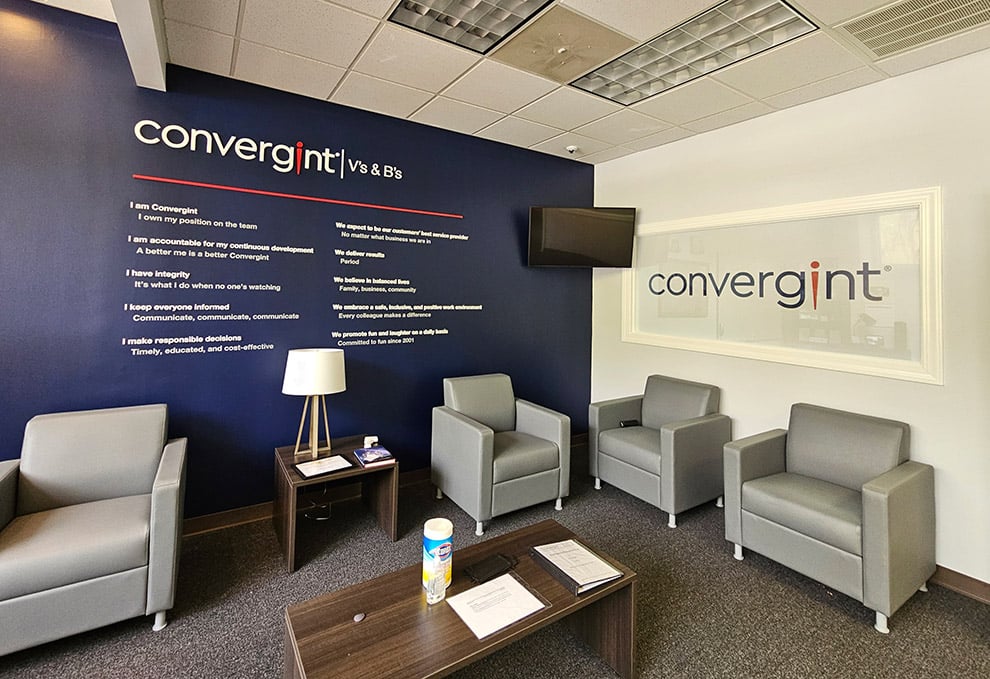
In today’s competitive business environment, every element of a workplace plays a role in communicating a company’s identity, values, and professionalism. While branding often brings to mind logos, websites, and advertising, the physical environment—particularly interior signs—is just as important. From the reception area to conference rooms, interior signs create a lasting impression on employees, clients, and visitors. They subtly tell a story about the brand’s personality, professionalism, and attention to detail.
Interior signs are more than just functional tools; they are powerful branding assets. They guide visitors, enhance the aesthetic appeal of a space, and reinforce a brand’s identity with every glance. For organizations that aim to make an impact, the right signage is not optional—it’s essential.
The Power of Business Signs in Brand Representation
Business signs inside an office or commercial space do more than label rooms or display a company name. They serve as constant visual reminders of who the brand is and what it stands for. Every font, color, and material choice sends a subtle but important message.
A sleek metal lobby sign might convey innovation and cutting-edge thinking, while a warm wooden sign may signal tradition and trustworthiness. Bright, bold designs can communicate creativity and energy, whereas minimalist signs may reflect precision and professionalism.
When designed intentionally, business signs can:
-
Welcome visitors with a clear representation of brand identity.
-
Create consistency between marketing materials and physical space.
-
Elevate the perceived value of the company.
-
Offer a sense of permanence and stability.
The most effective business signs are those that align with a company’s visual identity while being strategically placed for maximum visibility and impact.
Why Custom Signs Create a Stronger Connection
Generic signage rarely communicates a brand’s uniqueness. That’s why custom signs are essential for companies seeking to stand out. A custom sign is not just a nameplate—it’s a tailored design that integrates brand elements like logo marks, specific colors, unique shapes, and signature typography.
Custom signs can be created in many forms:
-
Lobby signs that greet visitors with the company’s identity front and center.
-
Wall graphics that tell a visual brand story.
-
Dimensional lettering that adds depth and sophistication.
-
Directional signs that incorporate brand colors and fonts for a cohesive look.
The benefit of customization lies in its ability to seamlessly merge function and branding. Instead of just directing someone to the right floor or office, a well-designed custom sign can make the brand memorable and engaging.
Partnering with the Right Sign Company
Working with a professional Sign Company Charlotte NC ensures that the signage process is handled from concept to installation with expertise. A trusted sign company understands the nuances of brand consistency, spatial design, and material durability.
The right signage partner will:
Assess the environment – evaluating lighting, wall textures, and traffic flow.
Offer material and design recommendations – ensuring the look and feel matches the brand.
Provide mock-ups – so decision-makers can visualize the signage in their space.
Handle installation – making sure the signs are secure, aligned, and polished.
A reputable sign company also ensures that signage not only looks good but is compliant with local codes and accessibility standards. This attention to detail helps organizations avoid costly mistakes and maintain a professional appearance.
Interior Signs as Part of the Workplace Experience
The workplace is more than just desks and conference rooms—it’s an environment where branding should be felt in every detail. Interior signs contribute to this immersive brand experience by:
-
Enhancing navigation within the space.
-
Reinforcing the company culture visually.
-
Making a professional statement for clients and partners.
-
Boosting employee pride and morale.
For example, a corporate office might use large wall graphics that display its mission statement in a stylish font and color scheme that aligns with its brand guidelines. Meeting rooms could be named after company values or industry terms, with corresponding signs that reflect those themes.
This approach turns signage into a storytelling tool rather than just a practical necessity.
Balancing Functionality and Brand Aesthetics
While design plays a major role, interior signage must also fulfill functional needs. This means:
Readability – ensuring the font, size, and color contrast make information easy to read.
Placement – positioning signs where they can be seen without causing clutter.
Durability – selecting materials that withstand daily wear and tear.
Successful branding through signage strikes the perfect balance between beauty and usability. For instance, directional signs can guide people to restrooms, conference rooms, or exits, while also reinforcing brand colors and style.
The Role of Interior Signs in First Impressions
First impressions often happen in a company’s lobby or reception area. Visitors immediately form an opinion about professionalism, creativity, and trustworthiness based on what they see. This is where Interior Signs Charlotte NC truly shine.
A well-placed, thoughtfully designed lobby sign:
-
Instantly communicates brand identity.
-
Creates a sense of arrival and importance.
-
Signals attention to detail.
When visitors step into a space and see a brand’s logo beautifully displayed on a feature wall, it sets the tone for the entire interaction. High-quality materials like acrylic, metal, or backlit lettering can elevate the perception of the company.
If you’d like to see more examples of how impactful signage can transform a workplace, explore Interior Signs Charlotte NC for ideas and inspiration.
Bringing Brand Values to Life Through Design Choices
Every brand has a personality—be it bold and energetic, sophisticated and refined, or warm and approachable. Interior signage design allows companies to express these traits in tangible ways:
Color selection: Using brand-specific colors reinforces recognition.
Material choice: Wood, metal, acrylic, or glass can signal different brand attributes.
Typography: Fonts communicate tone—modern sans-serif feels different from traditional serif.
Lighting: Backlighting, spotlights, or LED accents can add drama and emphasis.
These design elements work together to create a cohesive brand environment that speaks without words.
Trends in Modern Interior Signage
Workplace branding evolves with design trends, and modern interior signage is no exception. Some current trends include:
Minimalist designs: Clean lines and simple shapes that communicate elegance.
Environmental graphics: Full-wall visuals that blend art and branding.
Sustainable materials: Eco-friendly options that align with corporate responsibility.
Adopting contemporary signage trends can make a workplace feel current, innovative, and forward-thinking.
Why Consistency is Key
Consistency in signage ensures that every touchpoint in a workplace communicates the same message. This means:
-
Matching fonts, colors, and design elements across all signs.
-
Ensuring old, worn, or mismatched signs are updated to maintain brand integrity.
A cohesive signage system helps visitors feel oriented and reassured, while also reinforcing the brand’s professional image.
Final Thoughts
Interior signs are far more than labels or decorations—they are powerful tools for expressing brand identity, enhancing workplace experiences, and leaving lasting impressions. From business signs that welcome visitors to custom signs that tell a unique story, each element plays a role in building brand recognition and trust.
By partnering with an experienced sign company, organizations can ensure their signage reflects their values, personality, and vision in every detail. With thoughtful design, strategic placement, and consistent branding, interior signs become a key part of a company’s success—both in how it’s perceived and how it operates.