
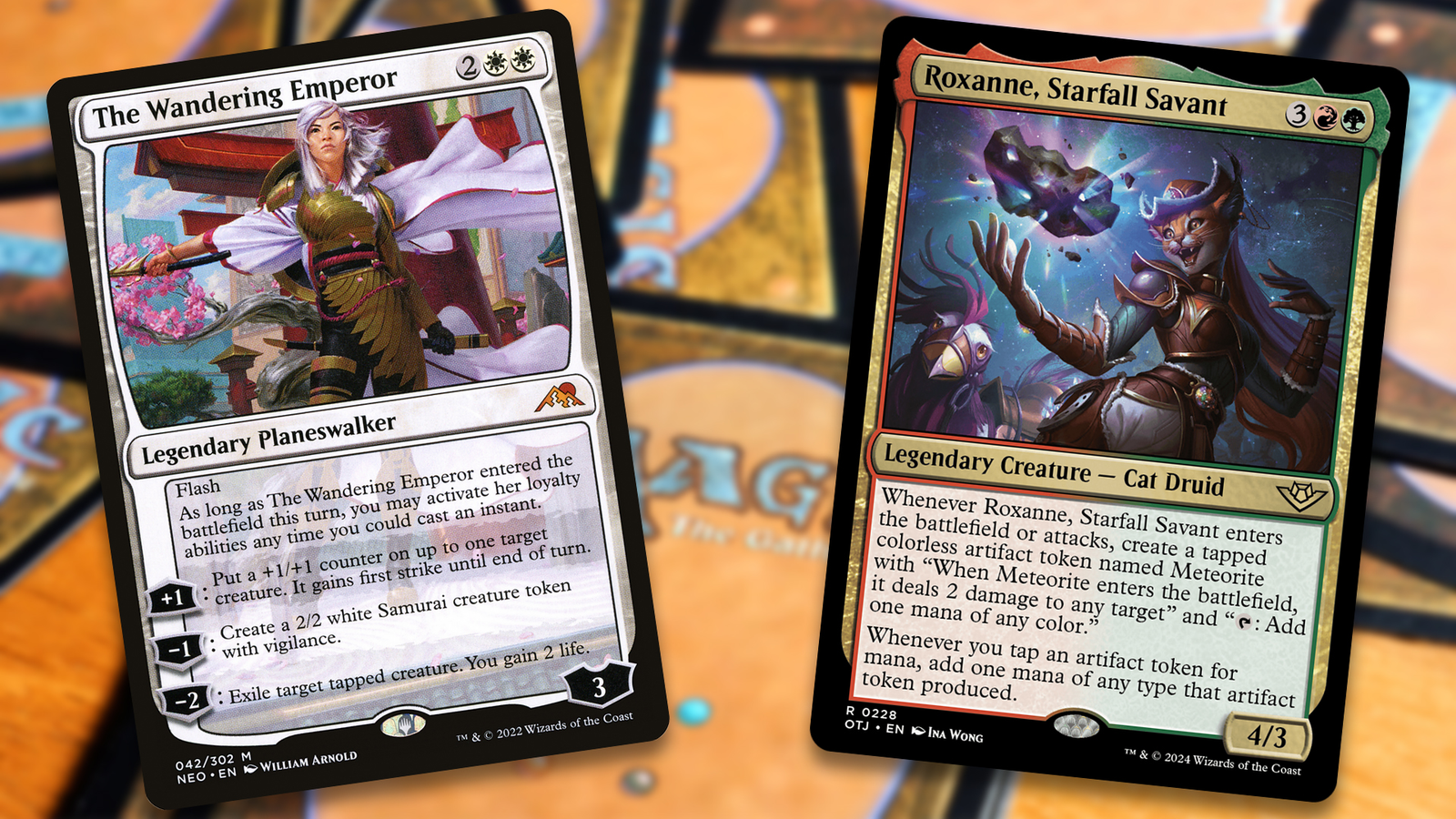
Magic: The Gathering, or MTG, has charmed players for decades with its rich plan of action depth, intricate card interactions, and endless possibilities. At its core, deck edifice is one of the most gratifying yet stimulating aspects of the game. To build a winning deck, a player needs more than just a solicitation of cards; they need to understand the core principles that drive the game s mechanics, previse how various cards interact, and know how to conform to their metagame. While no two decks are the same, the key to unlocking the power of deck building lies in reconciliation creativity, scheme, and cognition of the game s mechanism mtg decks.
Deck edifice begins with the institution: understanding the colours, archetypes, and mechanics that a deck’s overall scheme. Magic is built around five colors whiten, blue, melanize, red, and putting green each with its own strengths, weaknesses, and season. A participant s elect color palette is the first step in crafting their strategy. A white deck might focus on on wight synergy and defensive attitude maneuver, while a red deck might prioritise hurry and fast-growing tactics. Blue decks often underline verify and card advantage, while putting green decks focalize on ramping up mana and deploying large creatures apace. Black offers use and burial site-based strategies. Combining these colours can open up more avenues of creativity, but it also requires careful balancing to check that the deck cadaver cohesive and utility.
The pick of cards is crucial in building a deck that can win systematically. It s meaningful to have a idea of what the deck is trying to accomplish. Aggressive decks, for example, need to maximize their chances of dealing damage early by pick the deck with low-cost creatures and spells that can interrupt the opposite. Control decks, on the other hand, are often slower to take up but can dominate once they gain control of the game through counterspells, removals, and card advantage. Midrange decks fall somewhere in between, with a mix of wight-based battle and strategic spells that allow for versatility in different situations. The synergy between cards plays an requirement role in deck building, as the best decks are often those where card game each other and hyerbolise the overall strategy.
Mana base is another indispensable prospect of deck edifice that often gets unnoticed by novice players. Understanding how much mana is requisite and how to fix any potential mana issues is vital to qualification sure that the deck runs swimmingly. A deck must admit enough lands to subscribe the mana curve while avoiding too many lands that could flood the hand. Special lands, such as those that make quintuple colours of mana or volunteer additive service program, can also enhance a deck s public presentation. Often, players will spend as much time tweaking their mana base as they do refining the rest of the deck.
Knowing the metagame the pop deck archetypes in the flow environment is evenly probatory in deck edifice. Magic is a game of adaptation, and understanding what types of strategies you are likely to face can help shoehorn your deck s design to be effective in that linguistic context. If fast-growing creature decks are dominating, a control player may add more remotion spells to deal with threats. On the flip side, if verify decks are the force, it might be wise to incorporate ways to bypass counterspells, like non-creature spells that can t be countered or creatures with hexproof or tribute.
Another key factor in in powerful deck edifice is versatility. While it’s fundamental to have a plan in mind, the best decks are often the ones that can adjust to various scenarios. Whether it s being able to swivel between invasive and defensive playstyles or having answers to a wide range of threats, versatility gives a deck staying major power over the long haul. It also allows players to make adjustments during gameplay, which is crucial in responding to changing board states.
Deck edifice is a moral force work on. It requires constant refining and experimentation, as the metagame shifts and new card game are discharged. Often, edifice a of import deck means sympathy how to evaluate your cards not only supported on their superpowe but also on their role within the deck. A card that may seem underwhelming on its own can become a power plant if it s part of a well-designed synergy. Conversely, a powerful card may not find its direct if it doesn t fit with the deck s overall game plan.
The mantrap of Magic: The Gathering is that deck building offers infinite opportunities for increment and excogitation. Every deck is a personal verbalism of the participant s understanding of the game, and no two decks will ever be exactly the same. Whether you’re a experienced player fine-tuning a competitive deck or a initiate experimenting with fun combinations, the superpowe of deck edifice lies in its ability to make a unique gameplay experience that reflects your vision and science as a player. By unlocking the world power of deck building, a participant doesn t just create a winning strategy they open the door to a deeper understanding of the game itself.